


















What Is Dino Digg?
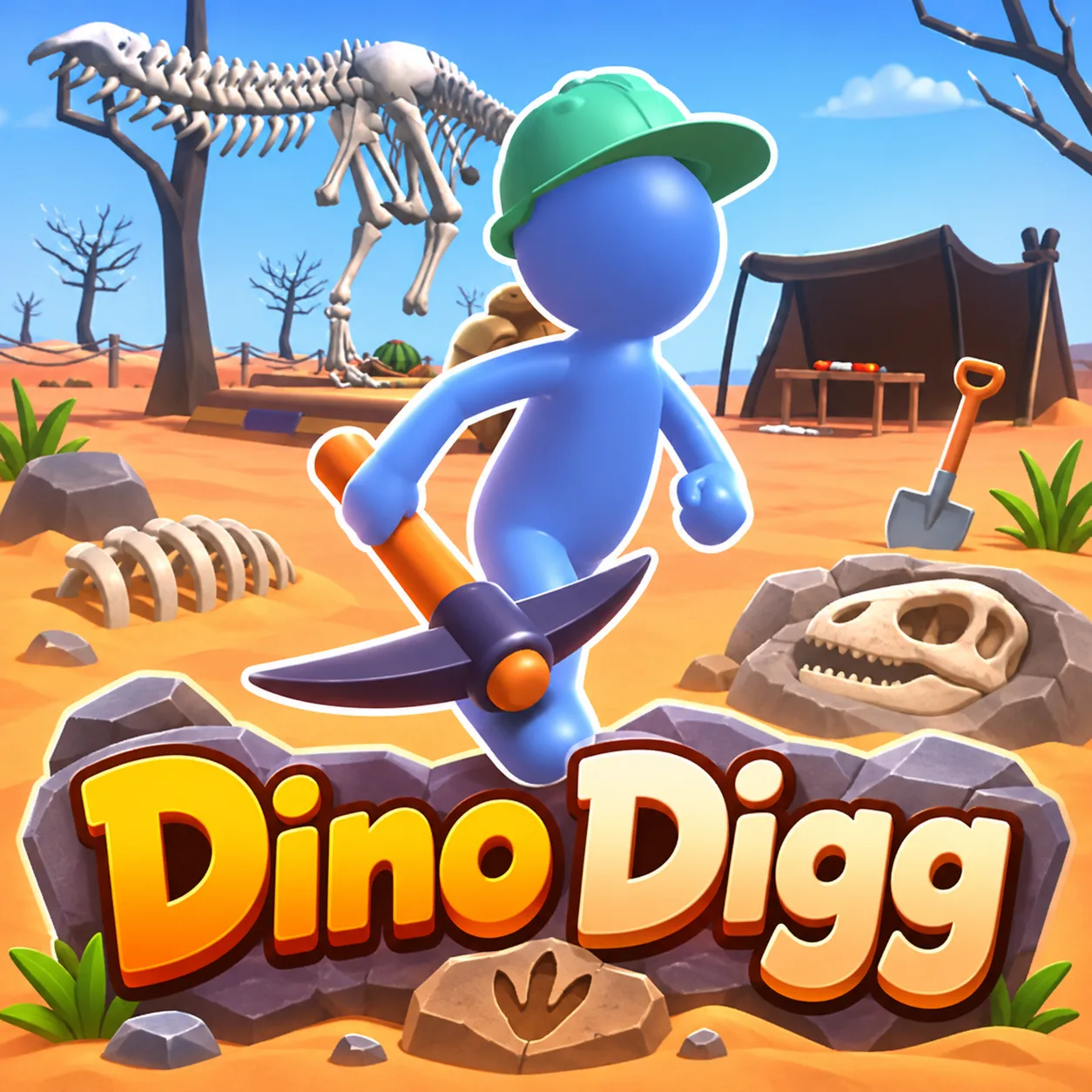
Dino Digg hands you a paleontologist’s toolkit instead of a miner’s pickaxe and asks one simple question: what is buried under your feet? Every excavation site hides a scattered jumble of prehistoric treasure — cracked skulls, ribcages, femurs, and the occasional fossilized egg — and it is your job to unearth each piece, scrub away centuries of sediment, and rebuild the skeletons inside your very own museum.
Where most digging games push you to chase gold or ores, Dino Digg rewards patience and curiosity. A rough lump of stone pulled from the dirt becomes a gleaming exhibit after a few careful passes with your brush, and every completed skeleton draws new visitors through the museum doors. Their ticket money funds better shovels, faster brushes, and access to richer dig sites, so the loop of dig → clean → display → upgrade keeps turning at a comfortably relaxed pace.
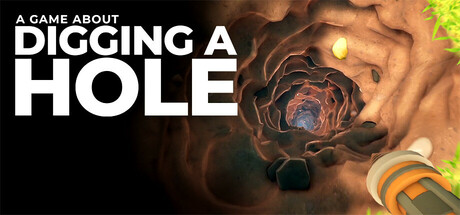
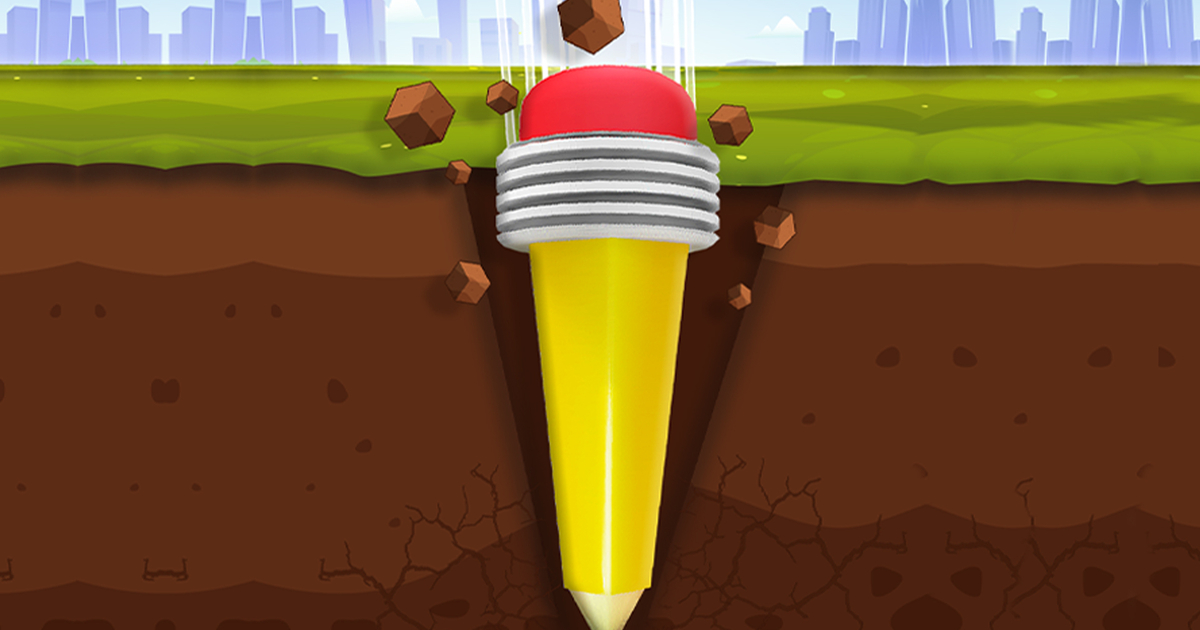
There are no timers, no collapsing tunnels, and no fail screens here — just the quiet satisfaction of turning dusty bones into a hall of wonders. If you love the dig-collect-upgrade rhythm of A Game About Digging A Hole but want a friendlier, science-flavored twist, Dino Digg is an easy pick.
Key Features
- Fossil excavation with a purpose — every bone you unearth feeds directly into your growing museum, so each scoop of dirt feels meaningful.
- Hands-on cleaning station — brush sediment off each discovery before it goes on display; a spotless specimen is a valuable specimen.
- Museum progression — assemble complete skeletons into exhibits, attract crowds, and turn ticket income into better digging equipment.
- Relaxed, no-fail gameplay — dig entirely at your own pace; curiosity matters more than reflexes.
- Family-friendly presentation — bright, cartoon-style visuals make it a great entry point for younger diggers and dinosaur fans.
How to Play Dino Digg
Getting started takes seconds, and the loop is easy to learn:
- Pick your dig spot — click or tap the soil to excavate. Some patches give up bones near the surface, while others hide their treasures deeper down.
- Collect the fossils — gather each extracted piece and carry it over to the cleaning area.
- Brush them clean — sweep away the dirt covering each fossil until the bone underneath shines. Sloppy cleaning lowers a specimen’s value.
- Assemble the exhibit — bring cleaned bones to the museum, match them into complete skeletons, and open your newest display to the public.
- Reinvest your earnings — spend ticket income on new dig sites, upgraded tools, and rarer dinosaur species to keep the collection growing.
Tips for Aspiring Paleontologists
- Clean thoroughly before displaying — patience at the brush pays off directly in exhibit value.
- Dig in a pattern — clearing a site methodically helps you spot half-buried fragments you would otherwise walk right past.
- Upgrade your tools early — a stronger shovel and a quicker brush speed up the entire loop, so favor tools over cosmetics in the early game.
- Revisit old dig sites — some rare specimens only surface after a second pass through ground you have already broken.
Frequently Asked Questions (FAQ)
Is Dino Digg free to play?
Yes. Dino Digg runs directly in your browser with no downloads and no payments — load the page, grab your tools, and start excavating.
What do I do with the fossils I find?
Every fossil needs a stop at the cleaning station first. Once brushed clean, bones are assembled into complete skeletons in your museum, and finished exhibits generate the income that funds new sites and gear.
Is Dino Digg suitable for kids?
Absolutely. The gentle pace, cartoon art, and dinosaur theme make it a safe, almost educational experience for younger players, while the museum-building progression keeps adults hooked too.
Hunger for more buried treasure? Try Dig a Hole for fast-paced extraction action, or Mystery Digger for a story-driven underground hunt.